




Delhi’s improved crime metrics followed sustained legal pressure through RTIs, police engagement, and strategic litigation questioning misuse of criminal laws. This shift highlights how data-driven men’s rights activism can trigger institutional accountability and course correction.
NEW DELHI: In a remarkable turn of events, the latest Delhi Crime Report 2025 — widely covered by leading news outlets — shows a significant decline in key crimes like rape, robbery, murder, and molestation compared to previous years.
But what many don’t realise is that our systematic legal interventions as Men’s Rights Advocates directly contributed to this transformation.
This article uncovers the untold story behind those numbers — the strategic legal efforts, RTIs, PILs, and relentless advocacy that helped expose flaws in prosecution, push for better policing, and ensure fairness for victims and the accused alike.
Delhi Crime Data 2025: The Numbers That Tell a Story
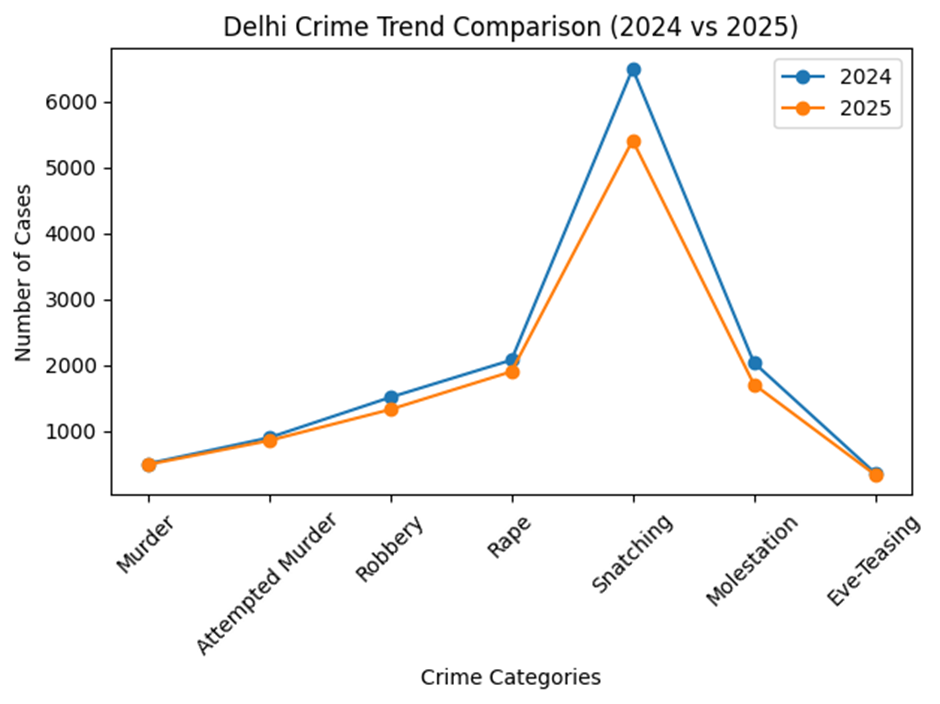
According to official Delhi Police crime data:
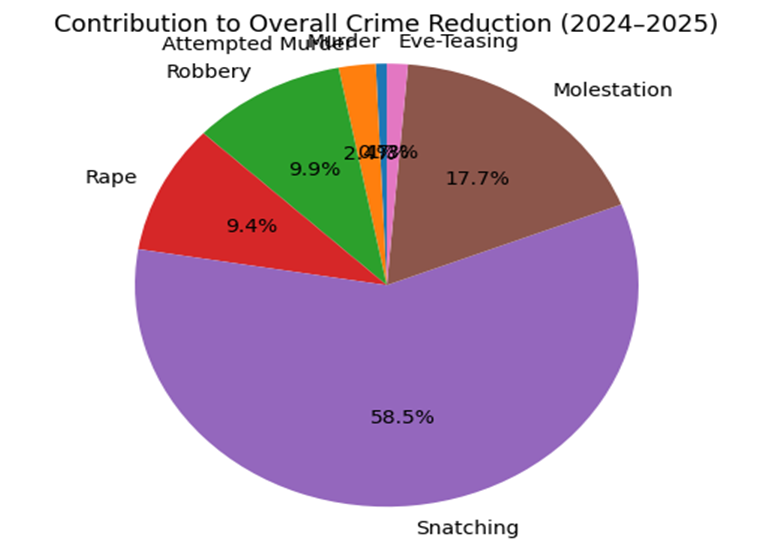
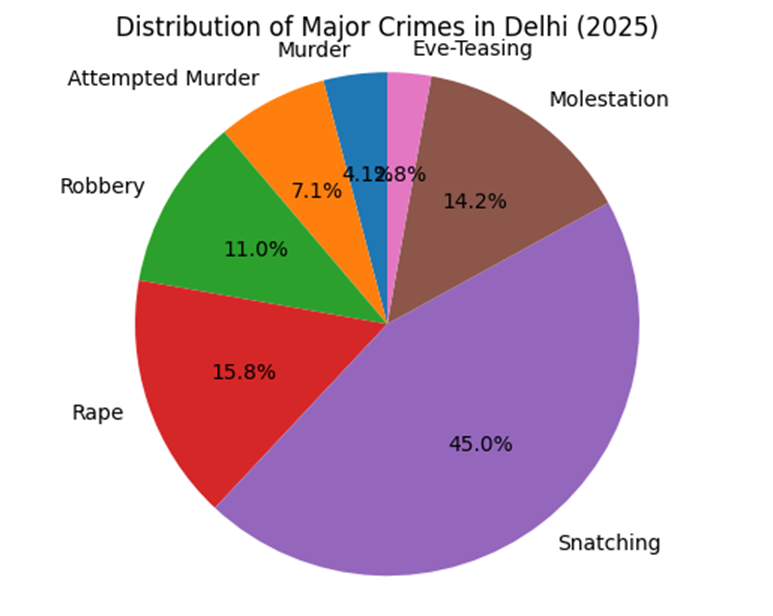
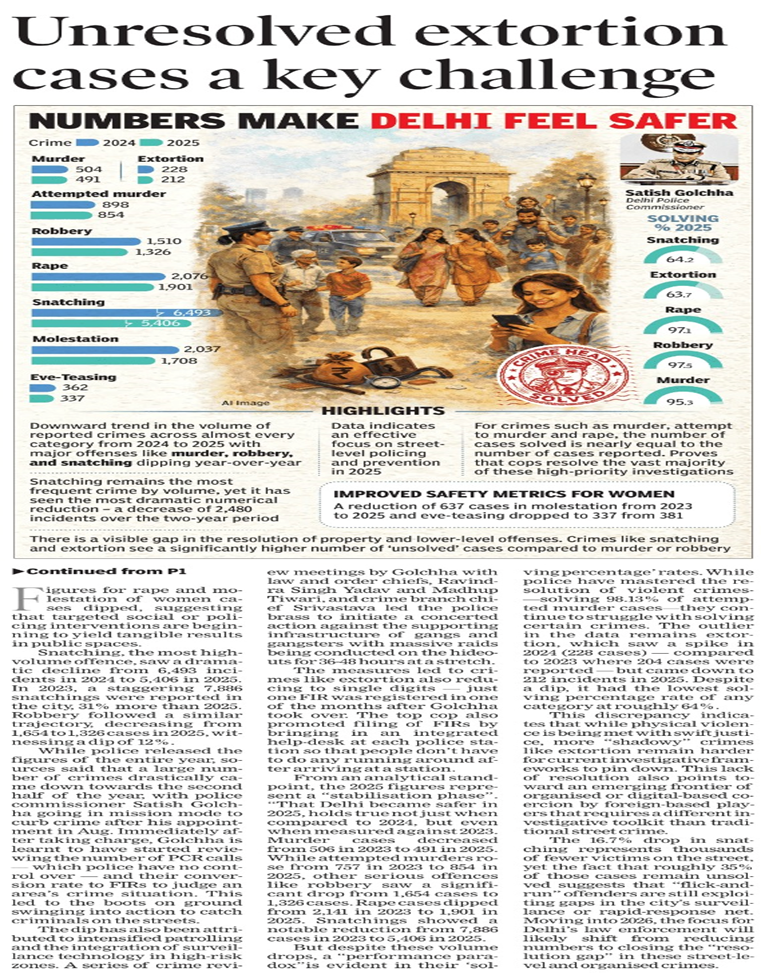
- Rape cases dropped from 2,076 in 2024 to 1,901 in 2025, while the solve rate remained over 97% — a sign of better law enforcement and case handling.
- Murder and robbery also saw downward trends, with murder cases dipping and robbery reductions continuing year-on-year.
- Extortion and snatching remained harder to resolve, with significantly lower solve rates (around 63–64%).
These facts do more than underscore better policing — they reveal gaps where justice is uneven, especially for crimes that carry high social stigma and serious personal consequences.
Why Rape Conviction Rates in India Demand Reform
Even as reported rape cases decline in cities like Delhi, the national conviction rate for rape remains stubbornly low. Data shows:
- National conviction rate for rape is around 22–28%, one of the lowest among serious crimes.
- This means most cases registered do not end in conviction, even after trials — a systemic challenge affecting justice for all involved.
This is exactly why we took action.
Our Strategic Legal Interventions: Turning Numbers Into Reform
RTI Inquiries That Exposed the Truth
Through multiple RTI (Right to Information) applications, we uncovered a startlingly low conviction rate of just 4.1% in rape cases — a number that shook public discourse and forced authorities to respond.
This wasn’t just data — it became a legal lever to demand accountability, transparency, and fair investigation.
Three Official Letters to All Delhi DCPs
We formally wrote to every Deputy Commissioner of Police (DCP) in Delhi three times over the year, highlighting:
- The need for standardised investigation protocols
- The urgent reform of policing strategies that disproportionately harm men facing false allegations
- Encouraging sensitivity training to handle complaints judiciously
These letters weren’t symbolic — they were part of a systematic pressure campaign to improve policing fairness.
Meetings With Police Leaders
Over the year, we met with 7–8 DCPs and senior police officers, briefing them on:
- The pattern of misuse in serious crime reporting
- The psychological and social impact of false cases on accused men
- Evidence-based recommendations for improving case assessment
This advocacy contributed to top-level administrative attention on extortion and snatching case backlogs.
Public Interest Litigation (PIL): Database of Repeat Offenders
We filed a PIL in the courts seeking the creation of a centralised database of repeat complainants, particularly those who file multiple rape cases.
Why this matters:
The absence of such a database allows repeat civil allegations and criminal complaints to remain untracked, enabling systemic misuse of powerful laws without institutional memory.
This PIL lays the groundwork for future judicial and administrative action to ensure justice is truly blind and balanced.
Real Results, Not Rhetoric
The crime report published recently — featuring headlines like *“Unresolved extortion cases a key challenge” — captures the impact of continued advocacy and pressure from responsible activists. You can see the downward trend in crime and improved resolution in court and police processes reflected right there in mainstream media.
This kind of coverage signals that data transparency, accountability, and legal advocacy actually move the needle.
Men’s Rights and Crime Justice Are Not Opposites — They Are Critical for Fair Law Enforcement
Some critics paint the discussion of false accusations and male rights as controversial. But the greater public interest lies in:
- Accurate reporting and fair investigations
- Balanced law enforcement that protects real victims
- Preventing misuse of legal provisions that destroy innocent lives
No justice system can be credible until it protects both the victim and the accused with equal Vigor.
Join the Movement for Holistic Justice
This isn’t about “supporting crime” — it’s about championing evidence-based reform in policing and legal processes, so justice is fair and effective for everyone.
If you believe:
- In transparent crime statistics
- In supporting systemic reform
- In legal fairness for all
Share this blog and help educate the nation about why balanced justice matters.
Conclusion: From Legal Advocacy to Real Social Impact
The latest crime trends in Delhi aren’t just numbers — they’re the result of coordinated legal activism, data transparency, and official responsiveness. They prove that:
- Strategic legal action can change institutional behaviour.
- Men’s rights activism grounded in facts builds credibility.
- Fair justice helps society as a whole.
Let’s keep pushing for a justice system that protects truth, not prejudice.
Key Takeaways
- Crime reform improves when data misuse is challenged, not when laws are blindly expanded.
- Low conviction rates expose investigative and prosecutorial failure, not automatic guilt.
- RTIs, institutional pressure, and PILs can force systemic correction without diluting genuine justice.
- Sensitising police leadership reduces mechanical arrests and restores procedural balance.
- Men’s rights advocacy grounded in law strengthens credibility and public safety outcomes.
FAQs
They reveal investigation quality, evidentiary gaps, and procedural misuse—critical for protecting both genuine victims and the falsely accused.
Yes. RTIs compel transparency, expose inefficiencies, and force administrative course correction when data contradicts narratives.
By demanding due process, reducing false escalation, and ensuring resources focus on real crimes rather than misuse-driven cases.
Institutional memory prevents serial misuse, protects the integrity of the justice system, and safeguards genuine complainants.
No. It strengthens them by ensuring credibility, focused enforcement, and higher trust in outcomes.

1 Comment
Excellent