

Rape Case on False Promise of Marriage | ‘No More Automatic Targeting of Families’: P&H High Court Rejects Plea to Prosecute Parents and Grandmother of Accused

Written and analysed by Vaibhav Ojha
Head Of Legal CommunicationsCan a man’s entire family be prosecuted based on alleged assurances of marriage? The Punjab and Haryana High Court has drawn a sharp line, refusing to criminalise relatives without strong and direct evidence.
CHANDIGARH: The Punjab and Haryana High Court, through Justice Shalini Singh Nagpal, has refused to allow prosecution of the parents and grandmother of a man accused in a rape case based on an alleged false promise of marriage.
The woman had claimed that not only the man but also his family members had assured her that he would marry her. She argued that they supported and encouraged the false promise and should also face criminal charges.
However, the Court made it clear that the alleged sexual relationship was only between the woman and the accused man. The judge observed:
“The act of sexual intimacy was only between the prosecutrix and [xxx] and assurances given by respondents No. 3 to 5, the parents and grand mother of [xxx], cannot, by any stretch of imagination be considered sufficient to take cognizance against them for the offence under Section 376 IPC or any other offence.”
In this case, the police had filed a chargesheet only against the man. After that, the woman filed an application under Section 358 (Power to Proceed against other persons appearing to be guilty of offence) of the Bharatiya Nagarik Suraksha Sanhita (BNSS), seeking that the trial court summon the man’s family members as additional accused. The trial court dismissed her plea on January 22, following which she approached the High Court.
Justice Nagpal explained that the power to summon additional persons as accused is not automatic. It is a serious and exceptional power. The Court stated:
“It is to be exercised sparingly and only in those cases where the circumstances of the case so warrant. It is not to be exercised because the Court is of the opinion that some other person may also be guilty of committing that offence. Only where strong and cogent evidence occurs against a person from the evidence led before the Court that such power should be exercised and not in a casual and cavalier manner.”
After examining the record, the High Court agreed with the trial court’s reasoning. It found that there was no prima facie case against the parents and grandmother to justify summoning them as additional accused.
Finally, the Bench concluded,” The order under challenge is logical, legal and does not call for interference,” and dismissed the woman’s revision petition.
Explanatory Table: Laws And Provisions Involved
| Law / Section | Purpose | How Applied in This Case |
| Section 376 IPC | Provides punishment for the offence of rape | Main allegation of rape on false promise of marriage was against the accused man alone |
| Section 358 BNSS | Empowers court to proceed against additional persons appearing to be guilty based on evidence during trial | Complainant sought summoning of parents and grandmother under this section; both trial court and High Court refused due to lack of strong evidence |
| Section 228 BNSS (Cognizance by Court) | Governs taking cognizance of offences by criminal courts | High Court held that mere assurances by family members were insufficient to justify taking cognizance against them |
| Principles of Abetment (Chapter V IPC – Sections 107–109 IPC) | Defines and punishes abetment of an offence | Court found that alleged assurances by family did not meet legal threshold for abetment of rape |
| Prima Facie Standard (Criminal Jurisprudence Principle) | Court must find basic material showing involvement before summoning accused | High Court agreed that no prima facie case existed against the family members |
Case Details
- Case Title: Complainant vs Accused & Others
- Court: Punjab and Haryana High Court, Chandigarh
- Bench: Justice Shalini Singh Nagpal
- Nature of Proceedings: Criminal Revision Petition challenging dismissal of application seeking summoning of additional accused
- Counsels:
- For Petitioners: Advocate Kamal Narula
- For State: Additional Advocate General Kunwarbir Singh (State of Punjab)
Key Takeaways
- Criminal liability cannot be extended to a man’s parents or grandmother merely because they allegedly gave marriage assurances; courts require concrete and strong evidence, not emotional claims.
- In cases of alleged rape on false promise of marriage, the act of intimacy is examined strictly between the two individuals involved, not automatically the entire family.
- The power to summon additional accused under Section 358 BNSS is extraordinary and must be used sparingly, not as a pressure tactic.
- Mere allegations of “abetment” without clear legal ingredients under Sections 107–109 IPC cannot justify prosecution of family members.
- Criminal law cannot be casually expanded to implicate entire families without solid, cogent proof.
This Could Change Your Case-Get FREE Legal Advice-Click Here!
Disclaimer: The views and opinions expressed in this article are those of the Indian courts and do not necessarily reflect the official policy or position of “ShoneeKapoor.com” or its affiliates. This article is intended for informational and educational purposes only. The content provided is not legal advice, and viewers should not act upon this information without seeking professional counsel. Viewer discretion is advised.
Related Articles
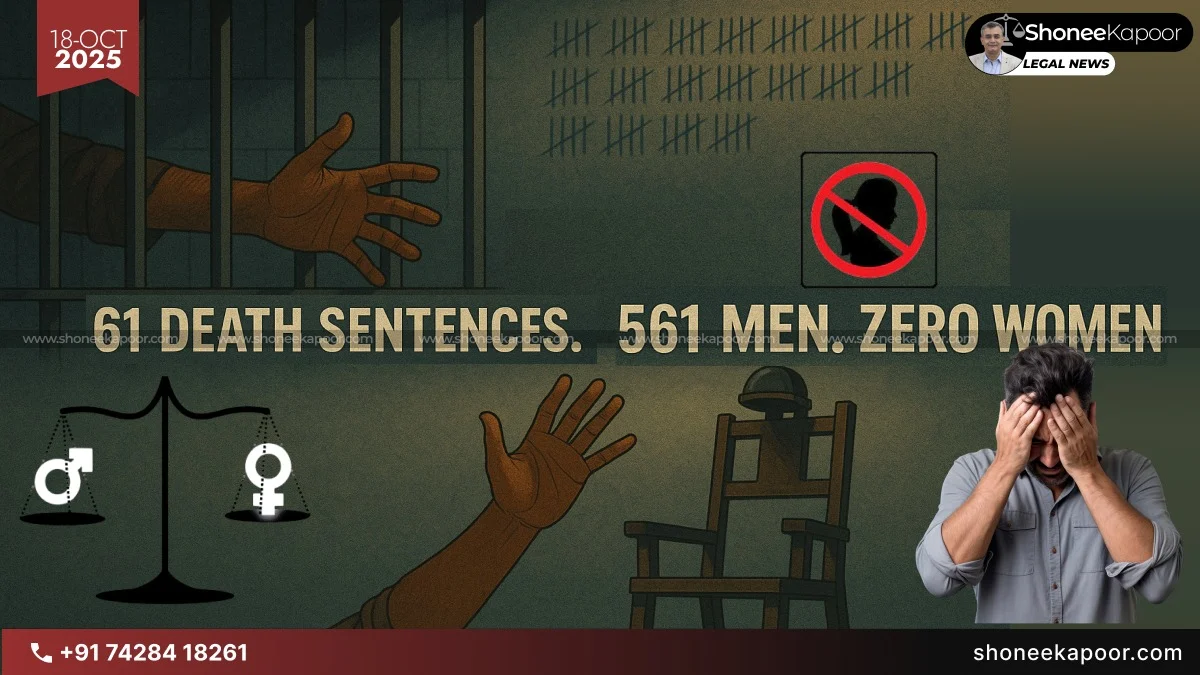
561 Men & Zero Women: Inside India’s Gendered Death Row – How Justice Stopped Being Equal?
Project 39A’s Annual Death Penalty Report 2023 exposes India’s hidden gender bias: all 561 death-row prisoners are me...
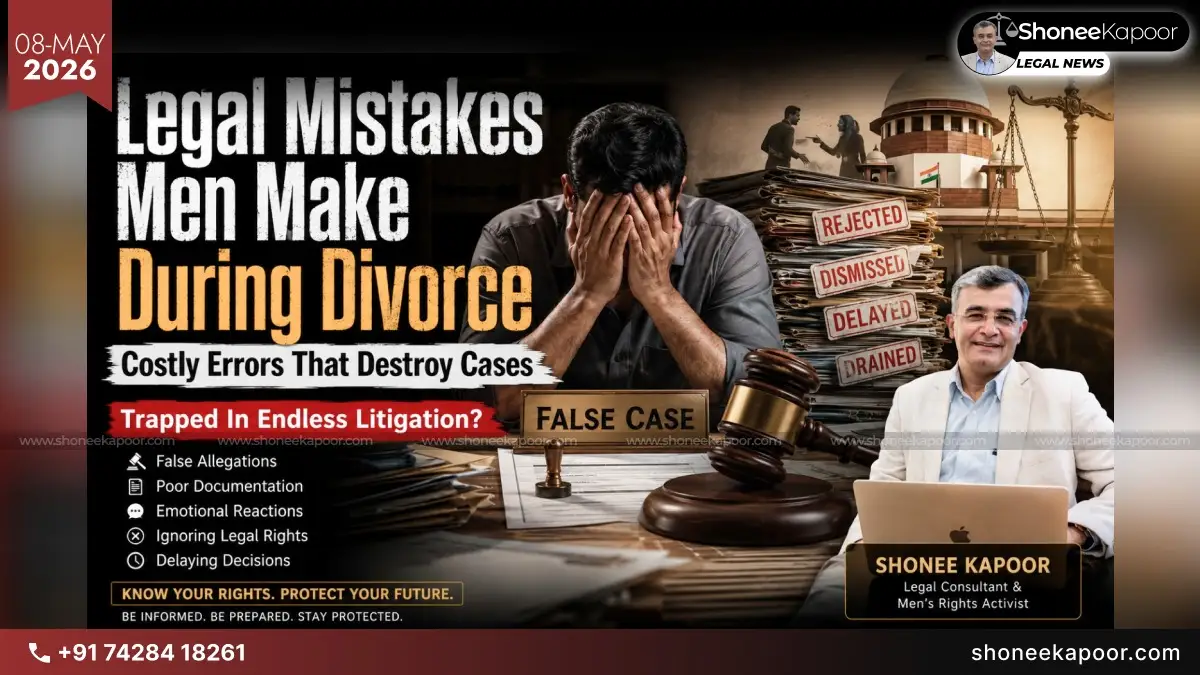
Legal Mistakes Men Make During Divorce: Costly Errors That Destroy Cases
Costly legal mistakes Indian men make during divorce, maintenance, custody, 498A/BNS cruelty cases and evidence colle...
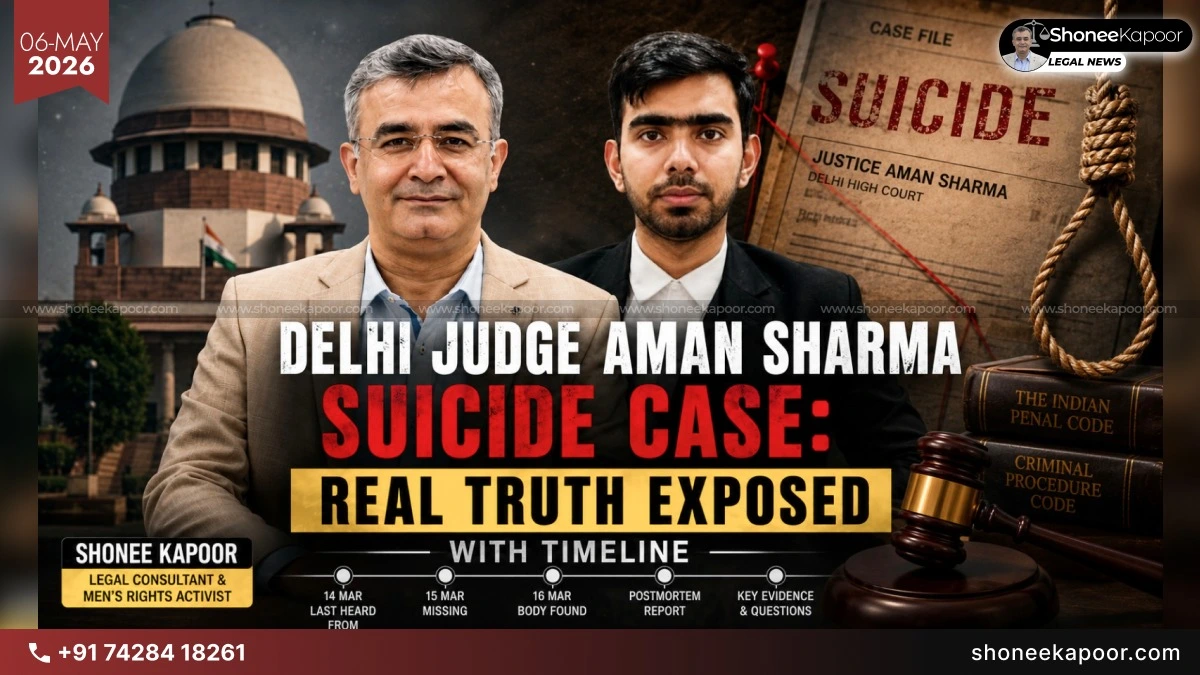
Delhi Judge Aman Sharma Suicide Case: Real Truth Exposed With Timeline
Full timeline of Delhi Judge Aman Sharma suicide case, family allegations, FIR under BNS Section 108, legal position ...
Share Your Thoughts
Comments are moderated before publication.