

Decriminalising Adultery: The Supreme Court Verdict That Shook Families & Betrayal Turned Into Business By Gleeden

Written and analysed by Vaibhav Ojha
Head Of Legal CommunicationsSection 497’s fall was celebrated as liberty, but the aftermath tells a story of chaos, commerce, and crumbling trust.
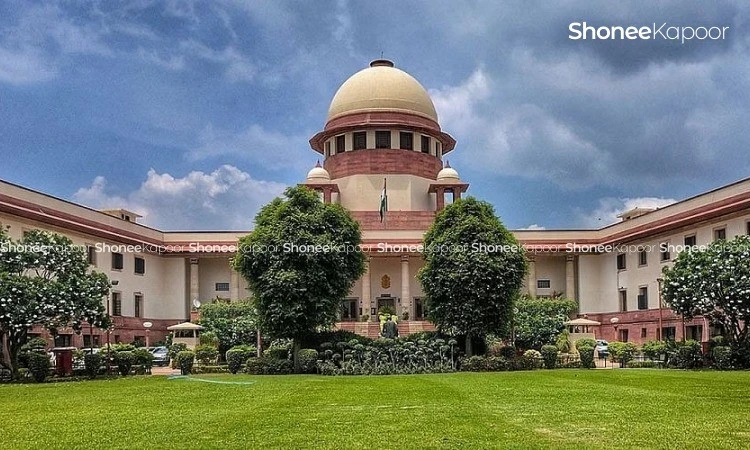
What happens when the law decides that betrayal is no longer a crime? When the Supreme Court struck down Section 497 of the IPC in Joseph Shine v. Union of India (2018), it called it “archaic” and “patriarchal.” and inconsistent with Articles 14, 15, and 21 of the Constitution. Adultery, said the Court, was no longer a matter for criminal law but of private choice and civil consequence.
But seven years later, that liberty of it has come with chaos. The fall of Section 497 didn’t just rewrite the law it redefined morality, leaving behind a legal vacuum where loyalty once lived. The ruling was widely celebrated as a progressive affirmation of individual liberty. Yet, the social and legal vacuum it created continues to raise troubling questions. Far from resolving inequities, the judgment has opened a Pandora’s box of complications that Indian society is still struggling to reconcile.
Liberty or Lawlessness? The Judgment That Shook Indian Marriages
Sure, the law was outdated. It punished only men and treated women like someone’s property. It deserved to be struck down. But here’s the problem; in erasing the entire law, the Court erased accountability too. Adultery still breaks marriages, still wrecks families, and still causes pain. Only now, the State says, “That’s your personal problem.” Freedom, it seems, came with no responsibility attached.
Coincidence or Convenience? The Strange Timing Nobody Noticed
Let’s rewind. In 2017, Gleeden, a French dating app designed specifically for married people seeking affairs, made its entry into India. That very same year, a petition challenging Section 497 of the IPC; the law criminalising adultery was filed before the Supreme Court. By 2018, the verdict had already been delivered, striking down the provision with remarkable speed. Perhaps it was all coincidence. Yet, in a judicial system where constitutional cases languish for years, this one raced to the finish line raising an uncomfortable question: was this truly about individual rights, or was there an element of commercial convenience at play?
This sequencing may be coincidental, but it inevitably fuels the perception that judicial priorities were misplaced and, worse, that commercial interests may have found unexpected alignment with constitutional litigation.
Fallout: When Law Steps Back and Chaos Steps In
Before 2018, a cheated spouse could file a criminal complaint against the “other person.” It wasn’t perfect, but it was a deterrent.
Today, there’s no punishment at all just long, bitter divorce battles. Meanwhile, National Crime Records Bureau (NCRB) data lists “love affairs” and “illicit relationships” among India’s top motives for murder. Take away the law, and human emotion fills the gap often with blood. So who really benefits from “decriminalising” betrayal society, or the chaos that follows?
This raises a legal-philosophical question: when the state withdraws criminal sanction from a destabilising act, does it not bear some responsibility for the societal consequences that follow?
When Infidelity Became a Business Model
The commercial aspect adds another layer. Let’s call it what it is: cheating has gone corporate. Gleeden now claims over 3 million Indian users, earning crores from subscription credits. They’ve turned heartbreak into a business and no one’s regulating it. If a company profited from domestic violence or drugs, we’d shut it down. But when it profits from destroying marriages, we call it “freedom of choice.” How’s that for irony?
This is not merely a question of morality it is one of policy and regulation. Should foreign corporations be allowed to profit from destabilising Indian families? The overlap between Gleeden’s entry (2017), the adultery petition (2017), and the judgment (2018) may be coincidental, but the timing is at least suspicious enough to merit debate.
Importing Western Standards: A Flawed Analogy
We love to say, “Even the West doesn’t criminalise adultery.” True but the West also has divorce rates above 40%, crumbling families, and generations raised without emotional anchors.
In India, family is not a lifestyle; it’s the spine of society. When we import Western liberty without its social safety nets, we don’t modernise we destabilise. Freedom without boundaries doesn’t make us progressive. It just makes us unprotected.
The Forgotten Casualties: Spouses, Kids, and Collateral Damage
The ones left bleeding aren’t the ones who cheated it’s the ones who stayed. Betrayed spouses now have no criminal recourse, just endless civil litigation. And children? They grow up caught between loyalty and trauma. For them the effects are even more profound: custody disputes, instability, and exposure to fractured family environments.
We’ve celebrated adult freedom while abandoning family security. The Constitution may protect individuals — but who protects the home? In expanding individual liberty, the Court overlooked the collective rights of the family unit, leaving its most vulnerable members unprotected.
Judicial Priorities and Public Trust
Here’s the irony: India has 5 crore pending cases, but the adultery case was decided at warp speed. It tells citizens something uncomfortable that the judiciary can sprint for ideology but crawl for ordinary injustice.
When courts appear more eager to shape morality than to deliver justice, trust erodes faster than marriages do. This creates the perception that judicial priorities are sometimes shaped more by ideology or external narratives than by the lived concerns of citizens. Public trust in the judiciary is undermined when courts appear more responsive to abstract notions of liberty than to urgent, everyday injustices.What India Needs: Reform, Not Resurrection
What India Needs: Reform, Not Resurrection
No one’s asking to bring back the old Section 497 – it was sexist and outdated. But pretending adultery doesn’t matter is naive. India needs a modern, gender-neutral law that:
- Makes both partners equally accountable.
- Imposes civil penalties – fines or mandatory counselling.
- Promotes early mediation before things collapse.
- Regulates infidelity-based apps that profit from pain.
- A balanced approach isn’t backward – it’s responsible.
Final Word: Freedom Without Fidelity Is Just Anarchy
We called it progress. But maybe it was just permission to betray. Adultery may no longer be a crime but it’s still a wound that law, morality, and modernity can’t ignore. Fidelity isn’t old-fashioned; it’s what keeps society from disintegrating into loneliness. India didn’t just decriminalise adultery; It may have legalised betrayal.
This Could Change Your Case-Get FREE Legal Advice-Click Here!
Disclaimer: The views and opinions expressed in this article are those of the Indian courts and do not necessarily reflect the official policy or position of “ShoneeKapoor.com” or its affiliates. This article is intended for informational and educational purposes only. The content provided is not legal advice, and viewers should not act upon this information without seeking professional counsel. Viewer discretion is advised.
Related Articles

Child Custody Legal Guide: Can School Remove Father’s Name From Records?
Can a school remove a biological father’s name from child records after divorce or custody dispute? Read Indian law, ...

Legal Risks Men Face In Modern Relationships In India: 498A, Maintenance, False Promise To Marry, Live-In Cases & DV Act
Modern relationships can expose Indian men to criminal cases, maintenance claims, DV Act proceedings, false promise t...

Free Legal Checklist For NRI Husbands Facing 498A Or 85 BNS – With Supreme Court Safeguards
Is one FIR enough to trigger detention, LOC, and passport trouble for an NRI husband?Before you book your ticket to I...
Share Your Thoughts
Comments are moderated before publication.